Backsplash installation
Backsplash installation adds a protective and finished surface behind kitchen counters, sinks, and cooking areas. It helps shield walls from splashes, grease, and routine wear while also tying cabinets and countertops together visually. Whether the goal is a simple clean look or a more detailed design feature, proper backsplash installation improves maintenance, finish quality, and the overall sense that the kitchen is complete.
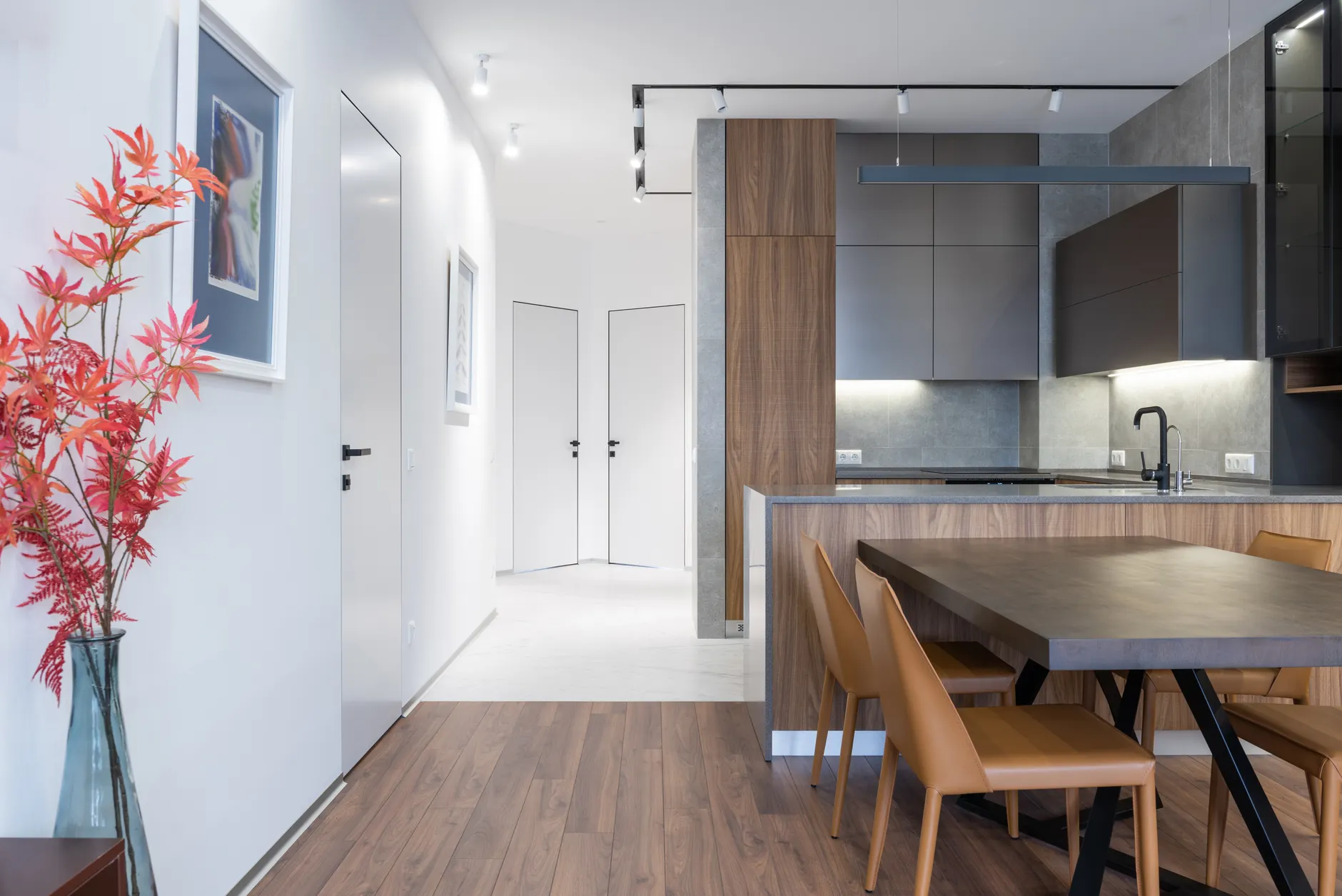
Backsplash installation is a focused kitchen upgrade that serves both practical and visual purposes. In everyday use, the wall area behind counters, sinks, and ranges is exposed to moisture, food splatter, grease, and repeated cleaning. A properly installed backsplash helps protect those surfaces while creating a more durable and easier-to-maintain finish. It also plays an important role in connecting the look of the countertops, cabinets, and surrounding wall colors.
This service requires careful measurement, layout planning, and attention to edges, outlets, corners, and transitions under cabinets and around windows or trim. Even in smaller kitchen updates, backsplash installation can have a noticeable impact because the pattern, size, and alignment of the material are highly visible. The surface needs to be laid out so cuts are balanced and the final look feels intentional rather than pieced together.
Backsplash installation is often done as part of a broader kitchen update, but it can also be a standalone improvement when countertops or cabinets are staying in place. In either case, the goal is a finished surface that looks clean, holds up to routine kitchen use, and complements the rest of the room. Good installation makes maintenance easier and gives the kitchen a more polished, cohesive appearance.
Common Problems This Solves
Signs You May Need This Service
- Wall surfaces behind counters stain easily
- The kitchen looks incomplete after other updates
- Paint or drywall near the sink is wearing out
- Grease or food splatter is hard to clean off the wall
- You want a more coordinated transition between surfaces
How It Works
Measure wall areas and plan tile layout before starting
Account for outlets, corners, and under-cabinet lines
Prepare wall surfaces so the material bonds properly
Balance cuts and pattern placement for a cleaner finish
Coordinate grout and trim details with surrounding materials
What Affects Pricing
Frequently Asked Questions
DIY Pro Tip
Hold sample backsplash pieces in the kitchen at different times of day before choosing one. Light changes can make color, sheen, and grout contrast look very different against your cabinets and countertops.
This matters because backsplash materials occupy eye-level wall space and can either unify the kitchen or compete with other finishes. A quick in-room check often prevents color surprises later.
Do not install over loose, damaged, or dirty wall surfaces if you want the backsplash to stay bonded and look even.
Local Insight
In homes throughout Blue Bell, Montgomeryville, Upper Merion, and Collegeville, backsplash installation is often used to refresh kitchens without a full renovation. Many local homes have active kitchens where moisture near sinks and splatter behind cooking areas make wall protection a practical priority. Because many properties combine older room details with newer finishes, careful material selection helps the backsplash fit the space instead of standing out awkwardly.
Why Customers Trust Our Experience
Professional backsplash installation depends on accurate layout, proper surface preparation, and clean finishing around edges, outlets, and transitions that are highly visible in a kitchen.
Schedule a Consultation
Discuss your backsplash installation project with our team.
(610) 812-6000Request EstimateBy appointment only
Ready to Discuss Backsplash installation?
Call (610) 812-6000 or request a free estimate online. Licensed, insured, and backed by service guarantees.